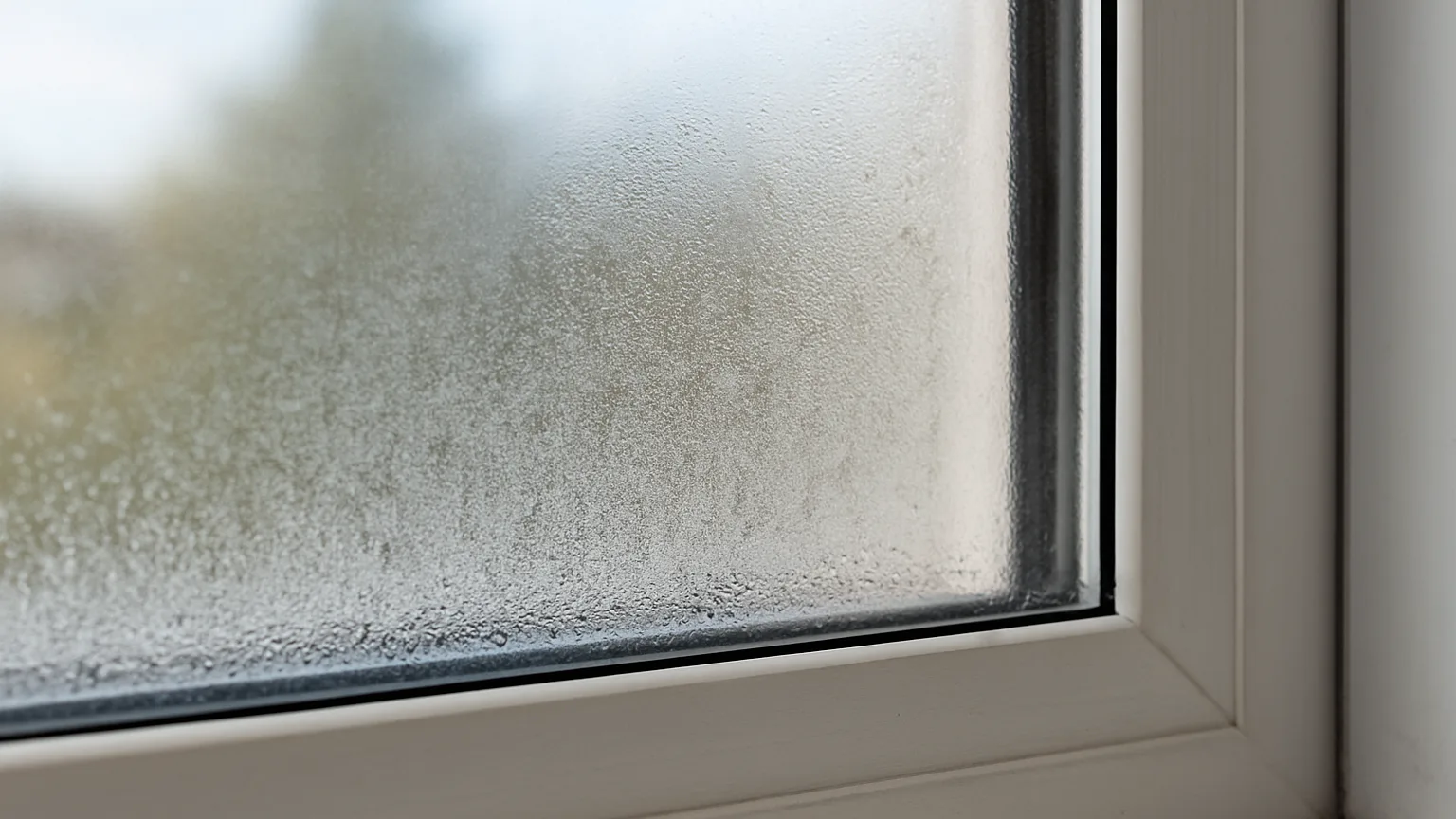
You wipe the window. You wipe it again. The haze is still there. In Mesa, this happens a lot, and it isn't always your fault. Some cloudiness sits on the glass. Some sits inside the window, a clue that you may be nearing the point where care becomes replacement. And some has become part of the glass itself.
The steps below draw on field know-how from Arizona Preferred Window Cleaning, a Mesa team that works on desert glass every week. They know which marks come off and which never will.
Why Mesa Glass Clouds Up Faster Than Most
Our water is hard, full of calcium and magnesium. When a sprinkler hits a window and the sun dries it in minutes, those minerals stay behind. Add fine desert dust, gritty monsoon rain, and 110 degree days that bake it all on. The result is a film that looks a lot like fog.
Most homes here also have dual-pane windows with a sealed gap between two sheets of glass. When that seal fails, haze forms in a spot no cloth can reach.
The Two-Minute Window Test
Before you buy another cleaner, grab a spray bottle of plain water and use your fingertip.
- Touch both sides. Run a clean, dry finger over the cloudy spot inside, then outside. Grit or a rough film on one side means the problem is on the surface.
- Wet it. Mist the spot with water. If the haze vanishes while wet and returns when dry, think mineral scale or etching.
- Look at an angle. Stand off to the side and look across the glass. Haze that seems to float between the panes is inside the window.
- Watch the clock. Fog that comes and goes with cool mornings or hot afternoons is a classic sign of a failed seal.
Four Culprits Behind the Cloud
Surface Grime and Dust Film
This is the good news. Dust, pollen, cooking grease, and pet nose prints sit on top of the glass and feel a little tacky or gritty. They come off with the right method, and the glass looks new again.
Hard-Water Spots
These look like white rings, drip lines, or a chalky spray pattern, often low on the window near a sprinkler head. Fresh spots come off with patience. Spots that have baked through a few summers get tougher each year. The Arizona Preferred Window Cleaning crew often points out that the sprinkler is the real problem, not the window. Turn the head away and the spots stop coming back.
Failed Seals and Trapped Moisture
This one fools a lot of people. The cloud sits between the two panes as droplets, a milky film, or streaks that look like dried rain, and no spray can reach it. If the haze looks worse behind your shades, one clue about foggy glass behind closed louvers can tell you if it's harmless condensation or a true seal failure.
Etched Glass
Etching happens when minerals sit on glass so long they eat into the surface. The glass feels smooth, but it looks dull or shows a faint rainbow in sunlight. Water hides it for a moment. Scrubbing does nothing, and hard scrubbing makes it worse by adding fine scratches.
Can It Be Cleaned? Quick Answers
- Dust and grime: Yes, every time.
- Fresh hard-water spots: Yes, with a gentle method and some time.
- Old, baked-on scale: Sometimes. A pro can often lift most of it.
- Light etching: Rarely. Pro polishing may soften it a bit.
- Deep etching: No. The glass surface is damaged.
- Fog between the panes: No. The sealed unit needs repair or replacement.
Don't Blame the Glass for a Dirty Frame
Sometimes the glass is fine and the frame is the real eyesore. Many Mesa homes have aluminum frames that oxidize into a chalky gray powder, which rubs onto your cloth and smears across clean glass. A soft brush and mild soap handle most of it, and there are easy steps for cleaning aluminum window frames without dulling the finish. Clean the frame first and the glass second, so you don't drag grit back onto the pane.
When to Put the Rag Down
If the haze is inside the window, scrubbing only wears out your arm. If the glass is etched, scrubbing wears out the glass. Either way, it's time to stop cleaning and start planning.
A failed seal costs more than a clear view. The insulating gas between the panes leaks out, and summer heat walks right in. Getting ahead on replacing failing windows before the hottest months keeps a foggy pane from turning into a big cooling bill.
If a pane needs replacing anyway, it's a good time to think about better glass. There are four glazing upgrades that hold up well against harsh afternoon sun on west-facing walls.
For the problems that do wipe away, how you clean matters too. Home favorites like vinegar sprays and old newspaper can scratch glass or harm coatings in our climate, so it pays to know which popular window cleaning tricks to skip on desert glass.
Read the Glass Before You Reach for the Rag
Dust and grime always clean off. Hard-water spots come off when they're fresh but get tougher with every summer. Failed seals and etching can't be scrubbed away. A quick touch, a mist of water, and a look from the side will tell you which one you have in about two minutes. Clean surface problems with gentle methods, and stop the sprinkler that keeps spotting your glass. For fog inside the panes or deep etching, plan for new glass. Reading the haze first means no more wasted Saturdays scrubbing at a problem no cloth can solve.